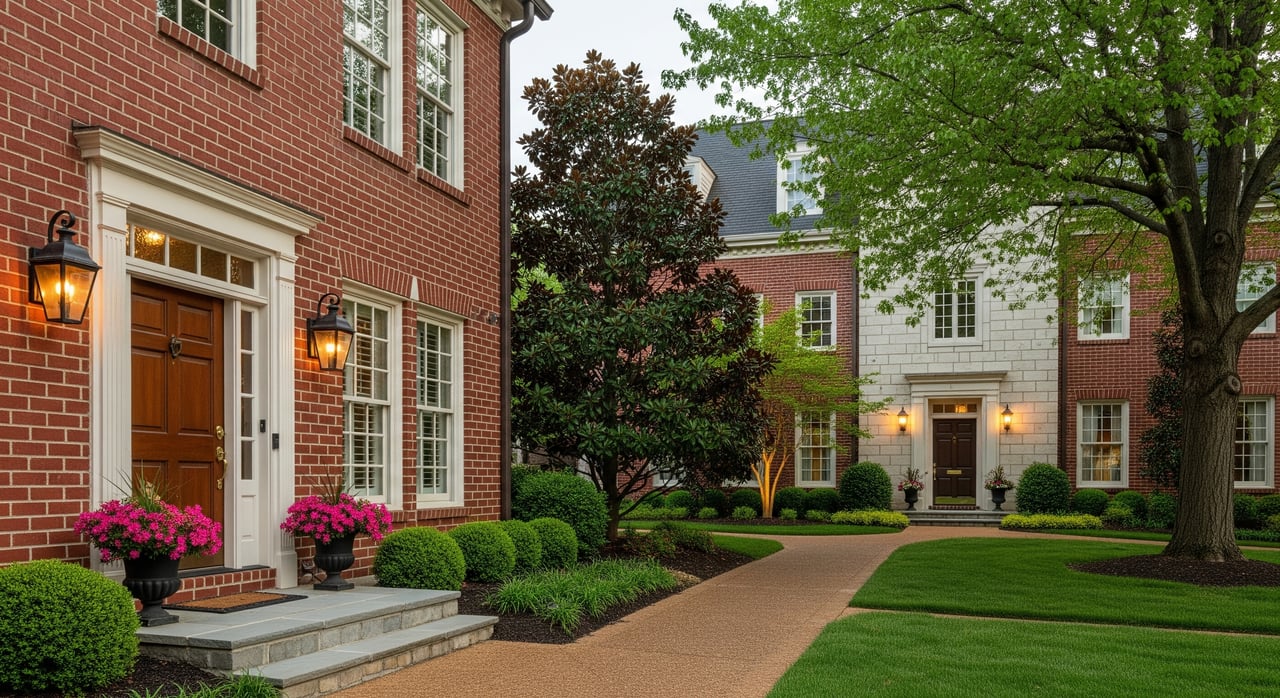
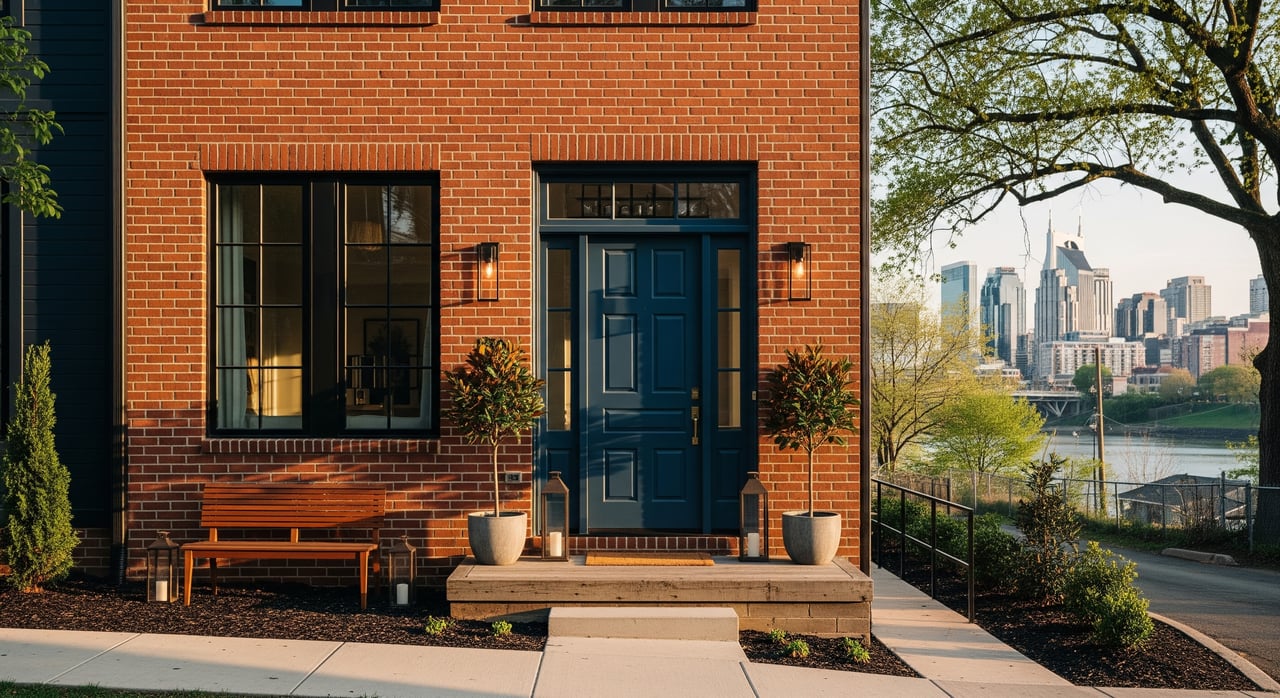
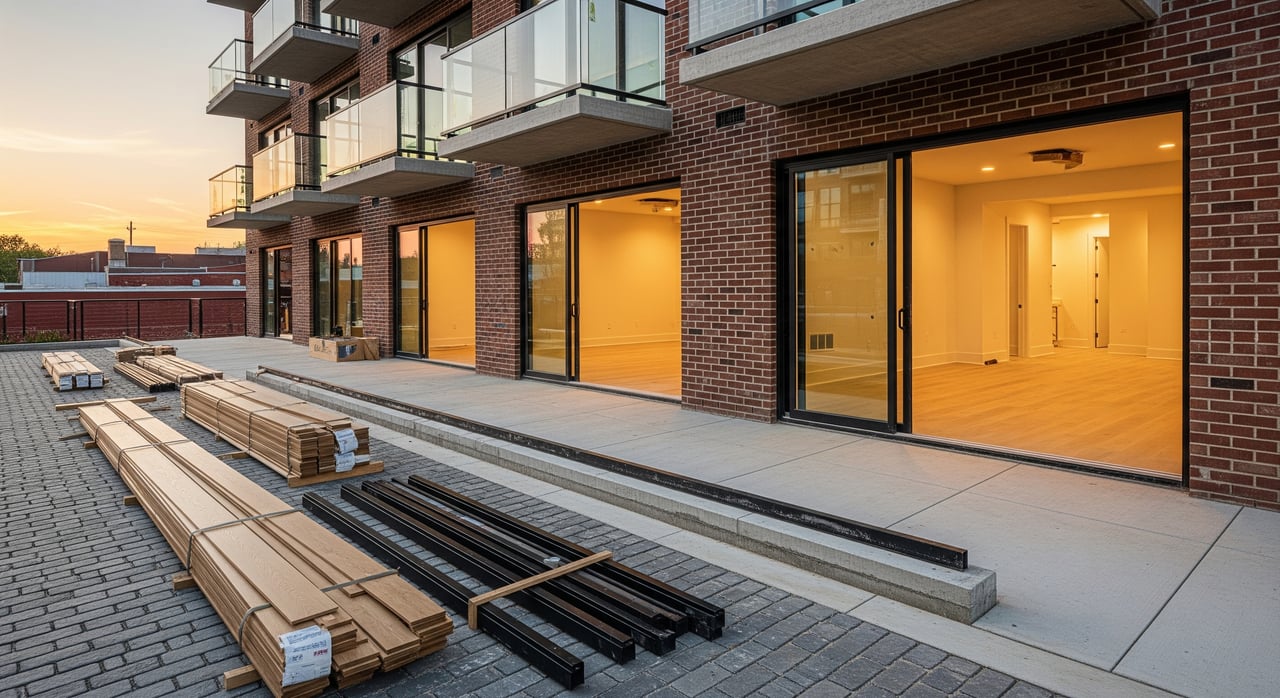
Trying to decide between a townhome and a condo in Germantown? You are not alone. In a suburban market where attached homes are a smaller slice of the inventory, it pays to know exactly what you get with each option and how that affects your budget, lifestyle, and financing. In this guide, you will compare ownership, HOA coverage, insurance, parking, outdoor space, and resale factors so you can choose with confidence. Let’s dive in.
Germantown context: what to expect
Germantown sits in Shelby County within the Memphis metro, not in the Nashville area. It is a primarily suburban city with established neighborhoods, parks, and community amenities. Most homes are single family, so condos and townhomes appear in specific developments rather than across every neighborhood.
Because attached homes are limited, availability tends to cluster near Germantown’s town center or along major corridors. If you want lower maintenance living or a shorter commute into Memphis, focus your search on those pockets and be ready to act when the right fit hits the market.
What you own: condo vs townhome
Condo ownership basics
- You typically own the interior of your unit along with an undivided interest in shared elements like hallways, roofs, and land.
- A condominium association governs the community using recorded documents called CC&Rs, a condo declaration, and bylaws.
- Maintenance boundaries are defined in those documents, not by assumptions.
Townhome ownership basics
- You often own the structure and the small parcel of land beneath it as fee simple property.
- An HOA may still manage common areas and sometimes exterior items. The split varies widely by development.
- Some townhome HOAs handle roofs and exteriors. Others place those costs on the owner. Always confirm in writing.
Documents to review before you decide
Always verify maintenance and insurance in the recorded documents. Ask for:
- Recorded declaration and plat for the development
- CC&Rs, bylaws, and rules and regulations
- HOA budget, recent financials, reserve balance or study, and assessment history
- Meeting minutes from the last 12 to 24 months
- Master insurance policy declarations
- Rental and pet policies plus owner‑occupancy percentages
- Any pending or recent litigation
Insurance and maintenance: who pays for what
Condo insurance and coverage
- Associations often carry a master policy for common elements and sometimes exterior structure.
- You will likely need an HO‑6 (walls‑in) policy for interiors and personal property.
- Consider endorsements like loss assessment and water backup to cover gaps.
Townhome insurance and coverage
- If the HOA does not cover the exterior, your policy should function like a standard HO‑3 that includes the structure, roof, and exterior systems.
- If the HOA covers exteriors, adjust your policy to avoid overlaps. Match coverage to the master policy.
What HOAs often cover in Germantown
Scope varies by project, so confirm line items in the budget and CC&Rs. Typical inclusions:
- Exterior maintenance, roofing, siding, and common area landscaping for condos
- Elevators, shared utilities in common systems, trash service, and reserve contributions (condos)
- For townhomes, anything from full exterior and grounds to only entry landscaping and private road upkeep
- Private streets, gates, pools, or clubhouses if the community has them — these drive monthly fees
Maintenance trade‑offs and cost predictability
- Condos: HOA fees are often higher because more services are included. You gain simplified upkeep and more predictable monthly costs. Watch reserve levels to reduce special assessment risk.
- Townhomes: Fees can be lower or similar depending on what is covered. You gain more control over exterior choices where allowed, but you may face variable costs for roof or siding down the road.
Financing and resale realities
Condo loan approvals
Some condo projects must meet lender eligibility for FHA, VA, or certain conventional loans. Smaller associations or those with high investor ratios may be ineligible for specific programs. If you need FHA or VA, check project approval early.
Townhome financing
Fee simple townhomes that are not part of a problematic HOA structure are often easier to finance with standard single‑family loans. Underwriting usually focuses on you and the property rather than broader project approval.
Resale considerations
Because Germantown has fewer attached homes overall, both condos and townhomes can attract steady demand from buyers who want low‑maintenance living. For condos, any program ineligibilities can narrow the buyer pool, so sellers should clarify financing options up front.
Lifestyle: parking, outdoor space, and privacy
Parking
- Condos often use assigned or permit parking, sometimes in surface lots or garages, with guest rules managed by the HOA.
- Townhomes are more likely to include a private driveway and garage. If guaranteed private parking matters, a townhome with an attached garage may be the safer pick.
Outdoor space and privacy
- Condos typically offer a balcony or small patio with shared green spaces.
- Townhomes commonly include a small fenced yard or patio and more vertical separation from neighbors, which can be helpful for pets and storage.
Walkability and commute
Both property types can offer convenient access to Germantown shops and services depending on location. If a shorter commute into Memphis is a priority, focus on developments near major corridors and confirm parking and guest policies for day‑to‑day convenience.
Quick decision guide
A townhome may fit you if
- You want a private garage and driveway.
- You prefer a small yard or fenced outdoor area.
- You want more control over exterior elements where allowed by the HOA.
- You want simpler financing with standard single‑family loan options.
A condo may fit you if
- You want minimal upkeep where the association handles most exterior work.
- You value shared amenities and predictable monthly costs.
- You prefer an interior‑focused lifestyle with limited yard responsibilities.
- You are comfortable confirming project eligibility early if you need FHA or VA.
Buyer checklist for Germantown HOAs
Use this to compare two or three finalist properties.
- Responsibilities: Who handles roof, exterior siding, paint, gutters, and driveways?
- HOA fee detail: What is included, and when was the last increase?
- Financial health: Current reserve balance or study, recent special assessments, outstanding loans
- Management: Professional manager or self‑managed, with contact information
- Parking: Assigned spaces, guest rules, and towing policies
- Insurance: What the master policy covers and what your policy must cover
- Rules: Pet restrictions, rental limits, and owner‑occupancy percentages
- Project status: For condos, confirm FHA/VA eligibility if you need those loans
Seller tips to strengthen your listing
- Gather full HOA documents, financials, and meeting minutes before listing.
- Be ready to explain maintenance responsibilities and any recent capital projects.
- For condos, check program eligibility that could affect buyers using FHA or VA.
- Highlight practical benefits like private garages or recent roof replacements where applicable.
Your next step
Choosing between a townhome and a condo in Germantown comes down to the kind of maintenance, parking, outdoor space, and financing path you want. If you would like a clear, side‑by‑side plan and help reviewing HOA and insurance details, schedule a conversation with Angela McAndrew. With a mortgage‑lending background and concierge‑style guidance, Angela will help you move forward with confidence.
FAQs
What is the key difference between a condo and a townhome in Germantown?
- Condos typically include ownership of the unit interior plus shared common elements, while townhomes are often fee simple ownership of the structure and lot — always verify in the recorded documents.
How do HOA fees usually differ between Germantown condos and townhomes?
- Condo fees are often higher because more services are included, while townhome fees vary widely depending on whether the HOA covers exteriors or mainly common landscaping and roads.
What insurance policy do I need for a Germantown condo?
- Most condo owners need an HO‑6 policy for interior finishes and personal property, plus endorsements like loss assessment after reviewing the association’s master policy.
Are FHA or VA loans available for Germantown condos and townhomes?
- Townhomes often finance like standard single‑family homes, while condos may require project approval for FHA or VA — confirm eligibility early if you need those programs.
How does parking typically work in Germantown condos vs townhomes?
- Condos use assigned or permit parking with HOA guest rules, while townhomes more commonly offer attached garages and driveways, with any street parking governed by HOA rules.
What HOA documents should I review before buying in Germantown?
- Obtain the CC&Rs, bylaws, rules, recorded plat, recent budgets and financials, reserve details, meeting minutes, master insurance declarations, and any rental and pet policies.