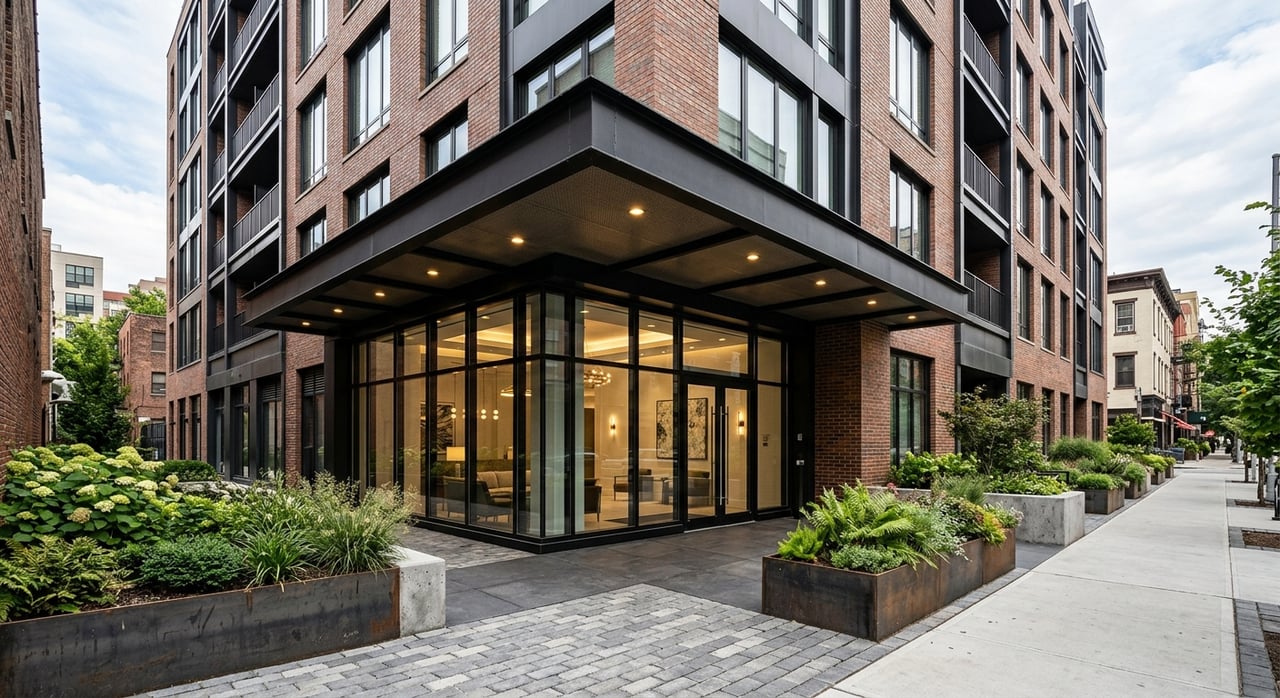
If you love the idea of living in the middle of Nashville’s most connected urban neighborhood, condo ownership in The Gulch can be a smart fit. But before you fall for the skyline views, pool deck, or walkable lifestyle, it helps to understand what you are really buying each month beyond the mortgage. In this guide, you’ll get a clear look at HOA fees, what those dues may cover, which amenities tend to matter most, and how all of that can affect resale in The Gulch. Let’s dive in.
The Gulch Condo Lifestyle
The Gulch is a 91-acre, LEED-certified downtown Nashville neighborhood built around walkability and connectivity. It sits between the Historic Core and Midtown and has grown into a mixed-use district with about 9,000 residents.
For many buyers, that location is the draw. You get an urban, lock-and-leave lifestyle close to restaurants, offices, entertainment, and daily conveniences, which is a big reason condos continue to appeal here.
Gulch HOA Fees: What to Expect
One of the first questions buyers ask is simple: how much are condo fees in The Gulch? Based on current listing examples and building materials from several well-known Gulch towers, a rough monthly range is about $420 to $1,200+.
That range is not a fixed neighborhood rule. It is a snapshot based on current examples, and the higher end tends to track with larger units, more extensive amenity packages, and in some cases newer or more service-heavy buildings.
Here is how a few current Gulch examples compare:
| Building | Sample HOA Range | Notable Notes |
|---|---|---|
| Icon in the Gulch | About $450 to $1,075/mo | Current listings show coverage can include structure maintenance, grounds maintenance, and recreation facilities |
| Twelve Twelve | About $422 to $1,145/mo | Current listings show fees may include items like structure maintenance, grounds, insurance, recreation facilities, and trash |
| Terrazzo | Average around $877/mo | Building materials highlight an established amenity package and LEED certification |
| Pullman at Gulch Union | About $420 to $1,194/mo | Buyer FAQ states dues are calculated at $0.62 per square foot |
These numbers show why it is important to compare more than sale price alone. Two condos with similar list prices can feel very different in your monthly budget once HOA dues are added.
What HOA Dues Usually Cover
In Tennessee condominiums, the association is generally responsible for maintenance, repair, and replacement of common elements, while the unit owner is responsible for the unit itself unless the declaration says otherwise. That means your exact responsibility line depends on the building’s governing documents.
In practical terms, common expenses often support shared parts of the property. Think roofs, hallways, elevators, building systems, and amenity areas that all owners use.
Current Gulch listing examples also show that dues may include a mix of:
- Maintenance of the structure
- Maintenance of grounds
- Insurance for shared building components
- Recreation facilities
- Trash in some buildings
The key word is may. Coverage is not identical from one building to the next, so you should always ask for the resale certificate, budget details, and a clear breakdown of what the monthly dues include.
What You Still Pay as an Owner
A common mistake is assuming the HOA fee covers everything. In most Gulch condos, you should still expect separate owner costs for your own unit-related items and certain utilities.
Depending on the building, owners may still be responsible for:
- Interior finishes
- Appliances
- Personal belongings
- Owner-specific improvements
- Electricity
- Water
- Internet
- Cable
- Individual insurance needs
For example, Pullman’s buyer FAQ says gas is included, while electricity, water, internet, and cable are not. That kind of building-specific detail matters because it changes your true monthly cost of ownership.
Don’t Overlook HO-6 Insurance
Another cost that buyers sometimes miss is condo insurance. In general, you will usually need your own HO-6 policy in addition to the association’s master insurance policy.
The master policy typically covers shared building elements. Your own condo policy generally helps cover your belongings and any parts of the unit that are not covered by the master policy.
Some buildings may also have specific insurance requirements. Pullman’s buyer FAQ, for example, requires at least $500,000 of general liability coverage.
Amenities That Shape Daily Life
Amenities are a major reason many buyers choose The Gulch over other housing options. They can make everyday life easier, more social, and more convenient, especially if you want a low-maintenance home base in the city.
That said, not all amenities carry the same value for every buyer. The best way to evaluate them is to ask yourself which ones you will actually use and which ones simply sound impressive during a showing.
Common Amenity Packages in The Gulch
Across current Gulch buildings, amenities can include:
- 24/7 concierge or security
- Fitness centers
- Yoga or wellness rooms
- Pools and pool terraces
- Roof decks or skydecks
- Clubrooms and lounges
- Coworking or conference space
- Guest suites
- Dog parks, dog runs, or pet-wash areas
- Gated or assigned parking
- Green roofs
- Pickleball courts
- Common-area Wi-Fi in some buildings
For example, Icon highlights concierge service, two fitness centers, a yoga room, a courtyard pool, a skydeck, and common-area Wi-Fi. Twelve Twelve features 24/7 security, a heated saline pool and spa, guest suites, pet spaces, and gated parking with every purchase. Terrazzo includes features like a clubroom, dog run, fitness center, outdoor pool, and roof deck. Pullman adds a newer mix with concierge, coworking space, a game room, pet amenities, pickleball courts, and more.
Which Amenities Matter Most at Resale
From a resale standpoint, amenities are most valuable when they support both lifestyle and convenience. In The Gulch, buyers often pay close attention to features that improve day-to-day living, not just brochure appeal.
Amenities and features that often stand out include:
- Secure parking
- Storage
- Concierge service
- Fitness facilities
- Outdoor space like pools or roof decks
- Pet amenities
- Recognizable building identity
- Strong views or premium unit orientation
Parking and storage can be especially important because they are practical, limited, and not always bundled the same way across buildings. If your unit includes one or both, that can become a meaningful resale advantage.
Closing Costs Beyond the Down Payment
When you buy a condo in The Gulch, your cash needed at closing may include more than the down payment and standard closing costs. Some buildings require upfront HOA-related contributions.
Pullman’s buyer FAQ is a clear example. Buyers there pay up to two months of HOA dues at closing plus a working-capital contribution equal to two months of HOA fees.
That does not mean every Gulch building works the same way. It does mean you should ask early about transfer fees, advance dues, reserve contributions, move-in fees, and any required building deposits so there are no surprises.
Reserve Funding and Special Assessments
Monthly dues are only part of the financial picture. You also want to understand whether the association appears to be planning responsibly for future repairs and replacements.
Tennessee condominium law allows reserve-based assessments to help preserve the property’s physical integrity or meet government requirements. It also allows associations to make common expense assessments at least annually.
For you as a buyer, the practical question is this: is the building setting aside enough for future needs, or could owners face a special assessment later? Reviewing the budget, reserve information, and recent meeting notes can help you better understand that risk.
How Fees and Amenities Affect Resale
In the current market, resale value in The Gulch is shaped by more than just address. Monthly carrying cost, building reputation, and the usefulness of the amenity package all influence buyer demand.
Current market snapshots show 71 condos for sale in The Gulch, with a median listing price of $628,000 and a typical market time of 95 days. A broader neighborhood snapshot shows a median sale price of $570,808 over the three months ending May 2026, down 5.3% year over year, with homes selling after 150 days on market and about 5% below list on average. Another local overview places the median listing price near $0.63 million and median price per square foot at $666.
What does that mean for you? Buyers are still drawn to The Gulch for location and lifestyle, but they are also watching the numbers closely.
Higher Dues Can Narrow the Buyer Pool
A higher HOA fee is not automatically a problem. But it does raise the total monthly cost to own, which can shrink the pool of buyers if the unit does not offer enough value in return.
In general, higher dues are easier for the market to accept when a condo also offers strong finishes, useful amenities, parking, storage, views, or a building name that buyers already recognize. If those pieces are missing, price sensitivity can show up faster.
Older vs. Newer Buildings
Building age also plays a role in resale. Icon, completed in 2008, Terrazzo in 2009, and Twelve Twelve in 2014 have longer resale track records and more established comparable sales.
Pullman, completed in 2024, offers a newer amenity package and fresher building feel, but it has a shorter resale history. Older buildings can be easier to price because there is more sales data, while newer buildings may attract buyers who want current design and newer systems.
Smart Questions to Ask Before You Buy
If you are seriously considering a condo in The Gulch, the right questions can protect both your budget and future resale position. This is where a detailed review matters.
Ask these before you commit:
- What exactly does the HOA fee cover in this building?
- Which utilities are included, and which are separate?
- Is parking included with the unit?
- Is private storage included?
- Are there move-in, transfer, or working-capital fees due at closing?
- What does the association budget look like?
- Is there meaningful reserve funding?
- Have there been recent or planned special assessments?
- What insurance is required from owners?
- How has this building performed on resale compared with nearby options?
Those answers can help you compare buildings more clearly and avoid focusing only on the list price.
The Bottom Line on Gulch Condo Ownership
Owning a condo in The Gulch can offer a compelling mix of convenience, amenities, and downtown Nashville access. The key is making sure the numbers, services, and building setup match the way you actually want to live.
When you look closely at HOA dues, insurance, parking, storage, reserve health, and resale history, you can make a much more confident decision. A well-chosen Gulch condo is not just about the view or the lobby. It is about buying into a building that works for you now and still makes sense later.
If you want help comparing Gulch condo buildings, reviewing monthly ownership costs, or weighing resale potential, Angela Mcandrew can help you navigate the details with local insight and concierge-level guidance.
FAQs
What are typical condo HOA fees in The Gulch, Nashville?
- Current Gulch examples suggest a rough monthly range of about $420 to $1,200+, depending on unit size, building, and amenity package.
What do condo HOA fees usually cover in The Gulch buildings?
- HOA dues often help cover common-area maintenance, shared building systems, grounds, and some building-level insurance or recreation amenities, but the exact coverage varies by building.
What owner costs are separate from HOA fees in The Gulch condos?
- Owners may still pay for items like interior finishes, appliances, personal property, certain utilities, and their own HO-6 insurance policy.
What amenities matter most for resale in The Gulch condos?
- Practical features like parking, storage, concierge service, fitness space, outdoor amenities, pet amenities, and a well-known building identity often matter most to buyers.
What should buyers ask about Gulch condo fees before closing?
- You should ask about what the HOA covers, utility responsibilities, reserve funding, special assessments, parking and storage, insurance requirements, and any upfront dues or working-capital contributions due at closing.
How does building age affect condo resale in The Gulch?
- Older towers often have more established comparable sales and resale history, while newer towers may offer fresher amenities and finishes but less resale data.
Is The Gulch condo market price-sensitive right now?
- Current market snapshots suggest buyers are still attracted to The Gulch, but they are also paying close attention to total monthly cost, time on market, and pricing relative to amenities and features.